


Magic Comfort Baby Nappy Pants
51 in stock
Magic Comfort Series, where innovation meets premium care for your baby’s delicate needs. Driven by consumer demand for unparalleled softness, our R&D team developed the Zero-Feel Waistband™, revolutionizing ultra-fine deniel material with exceptional elasticity and gentler fit. This series represents Aiwibi’s highest-performance configuration yet, with breakthroughs in ultra-softness, rapid absorbency, and skin-friendly design, ensuring the best comfort for your little one.
 Ultra-Thin™ Core Super Absorbency
 MicroAiry™ Film Super Breathable
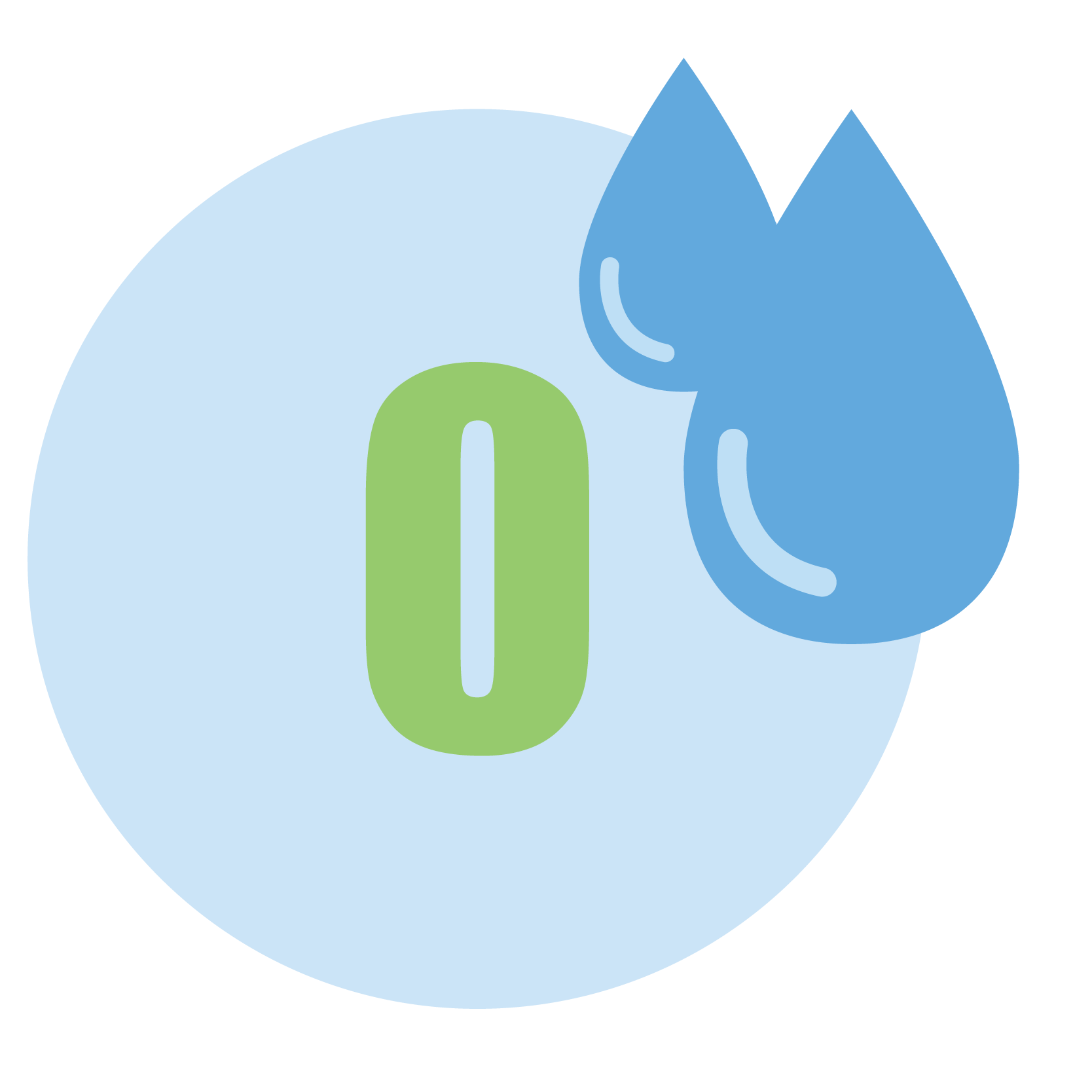 0% Fragrance, Lotions And Extracts
Couldn't load pickup availability
Other Purchase Option
Other Purchase Option

Share this product
Product Highlights

Magic Zero-feel™ Waistband
Bubble soft waistband with 72~108 ultra-fine elastic bands (vs. Other brands' 28 bands) made from 280D fibers-2X softer than other brands.

Magic SilkySoft Fabric™
Crafted with 1.0D ultra-fine hot-air nonwoven fibers—three times finer than baby hair—for a luxuriously soft, gentle touch.

Magic Breathable Airflow Structure
Diamond-shaped pattern and 50 billion micropores/m² boost oxygen flow by 50%, accelerating moisture diffusion for enhanced breathability.

Magic Absorbent Ultra-thin Core
Designed with grooved channels and premium Japanese & German SAP to lock in wetness for up to 14 hours of reliable dryness.

Magic QuickWick Dual-layer™ Surface
Ultrasonically bonded and glue-free for exceptional softness; the dual-layer top sheet instantly wicks moisture and channels liquid deep into the core for long-lasting dryness.
The Secret Behind Our Leak-Free Nappy Pants
Our four-layered sheet ensures a fast drying surface, preventing rashes for babies.

- Topsheet:
Soft, hot-air laid non-woven fabric for gentle comfort.
- ADL (Acquisition Distribution Layer):
Hydrophilic non-woven fabric for rapid urine diffusion, ensuring surface dryness.
- Absorbent Core:
Features top-brand SAP (Super Absorbent Polymer) wrapped in absorbent paper for maximum retention.
- Backsheet:
A waterproof composite of non-woven fabric and PE film to prevent leaks.
FAQ
Find answers to common nappy questions, from choosing the right size to preventing leaks and nappy rash. Get expert tips for keeping your baby dry, comfortable, and happy.
How can I prevent leaks when using nappies?
How can I prevent leaks when using nappies?
Our nappies are designed with double leak-guard barriers, but here are some things to check when putting them on:
- The weight range on the nappy packaging is just a guide. If the nappy is too big, it can cause leaks. For example, the nappy may fit snugly around your baby's thighs, but if there's a gap in the crotch area, urine won't be absorbed quickly enough.
- Make sure the leak-guard edges aren't folded inward. If you're using taped nappies, ensure the waist tabs are symmetrical, not too tight or too loose. A good fit allows space for one finger between the nappy and your baby's tummy.
- Change the nappies when it's full; if you don't, leaks might occur.
Will my baby get nappy rash or have an allergic reaction?
Will my baby get nappy rash or have an allergic reaction?
- To prevent nappy rash, change your baby's nappy frequently. It's recommended not to leave the same nappy on for more than 2-6 hours.
- Clean your baby's bottom with warm water or wipes to remove any residue.
- Let the skin dry completely before putting on a new nappy.
Why does the outside of the nappy feel damp, even though my baby's clothes aren't wet?
Why does the outside of the nappy feel damp, even though my baby's clothes aren't wet?
The outer layer of the nappy is made from breathable non-woven fabric. It locks in moisture while allowing heat and humidity to escape. The dampness you feel is likely due to the release of warm air, which might also carry a slight smell from your baby's pee or poop. This design helps keep your baby's bottom dry and comfortable by reducing stuffiness.
Why does the nappy have a smell?
Why does the nappy have a smell?
- Aiwibi nappies are certified by the German Dermatological Institute Dermatest, ensuring they are gentle on your baby's skin. We do not add any fragrances, extracts, dyes, or other harsh chemicals, making the nappies odorless and hypoallergenic.
- Some of the raw materials might have a mild natural smell. If you're sensitive to smells, you can air the nappies out before use.
- Nappies can also absorb odors from their surroundings, so be sure to store them in a cool, dry place away from anything with a strong scent.
Are Aiwibi nappies “organic”?
Are Aiwibi nappies “organic”?
Aiwibi nappies are made using high-quality wood pulp derived from nature. This pulp comes from sustainably managed forests, so while we use natural resources, we also prioritize environmental protection and sustainability. Through fine processing, we maintain the natural absorbency and softness of the material to provide your baby with a comfortable wearing experience while reducing irritation to their sensitive skin.
How often should I change my baby's nappy at night?
How often should I change my baby's nappy at night?
It depends on how often your baby pees and the quality of the nappy you're using. You should choose nappies with strong absorbency and good moisture-locking abilities. When your baby wakes up during the night, you can feel the nappy—if it's puffed up, it's time for a change. Unfortunately, that means you or your partner will need to wake up to do the nappy duty!
What should I keep in mind when changing nappies? Is there a difference between boys and girls?
What should I keep in mind when changing nappies? Is there a difference between boys and girls?
Always wash your hands with soap and water before changing your baby to avoid spreading bacteria. Clean your baby's bottom with warm water and mild soap, and gently pat dry. When wiping, be careful not to rub too hard, as this can irritate their sensitive skin and cause nappy rash. In winter, try to keep the nappy change quick to avoid your baby getting cold.
As for the difference between boys and girls, traditionally, the absorbent core in boy's nappies is placed more towards the front, and for girls, it's placed more towards the back. However, Aiwibi nappies are designed to work well for both boys and girls thanks to our product adjustments during development.
What causes nappy rash?
What causes nappy rash?
There are two main reasons:
- Some babies have sensitive skin or are prone to allergies, which can cause skin reactions when wearing nappies. This can lead to redness or swelling around the nappy area.
- Nappy rash (also known as nappy dermatitis) can also be caused by inflammation. Babies' skin is very delicate, and if nappies become damp or are exposed to bacteria, it's easy for nappy rash to develop. It's important to change nappies frequently and thoroughly clean the baby's bottom after each bowel movement to prevent this.
How should I store opened nappies to avoid contamination (e.g., from mosquitoes, dust, or humidity)?
How should I store opened nappies to avoid contamination (e.g., from mosquitoes, dust, or humidity)?
Whether opened or unopened, nappies should be stored in a clean, dry place, away from direct sunlight to avoid moisture and contamination. Keep opened nappies away from areas with high temperatures or strong odors, as this can cause them to lose their shape or pick up unwanted smells. It's best to use opened nappies within 2-3 months. If you live in a humid environment, try to use them within a month to avoid bacterial growth.
Should I stop using nappies if my baby gets nappy rash?
Should I stop using nappies if my baby gets nappy rash?
It depends on how severe the rash is. For mild cases, you can continue using nappies but should take these steps:
- Change nappies frequently.
- Use a nappy rash cream or powder to keep the area dry.
- Boost your baby's immune system by ensuring they get enough nutrients.
- If the rash is severe, stop using nappies and consult a doctor immediately.